
Spend more time soaking up new cultures, and less time worrying about finding the nearest bathroom
It’s fair to say that one of my favourite things is planning and researching trips. I get an energetic endorphin rush from preparing for future adventures, even for those a year in advance.
In addition to being fun to dream about my next trip, there are practical reasons for planning ahead. Applying for visas for certain destinations can take time. So can building complex trip itineraries, like the one we’re working on for our upcoming trip to Bhutan and Japan later this year.
Carefully covering the essential planning steps in advance – from flights and accommodation to packing and budgeting – makes good sense.
My trip planning also includes consulting a healthcare professional for pre-travel health advice in advance of my planned departure date.
As a professional travel writer who travels regularly to destinations around the world, I’m a frequent visitor to the Vancouver Travel Clinic. I rely on their professional advice and tips about what health precautions and vaccines I should take before departing on trips, especially to new destinations.
Whether you’re planning to enjoy street food in South America or exploring off-the-beaten-path locations, it’s important to safeguard yourself against common travel-related stomach issues and health hazards.
The one thing that can ruin a trip fast? Getting sick.
Because I’ve been sick while travelling, I know that nothing that steals the joy from a holiday more than woefully ailing indoors instead of happily arranging your towel on a wide stretch of sun-soaked beach.
I remember when it happened to me.
My husband and I were enjoying a frozen paleta fruit popsicle on a hot August afternoon at a roadside stand in Jalisco, Mexico. The paleta was refreshing and delicious, but it turns out, brimming with unseen bacteria. Within 24 hours, I was suffering from a case of diarrhea while travelling.
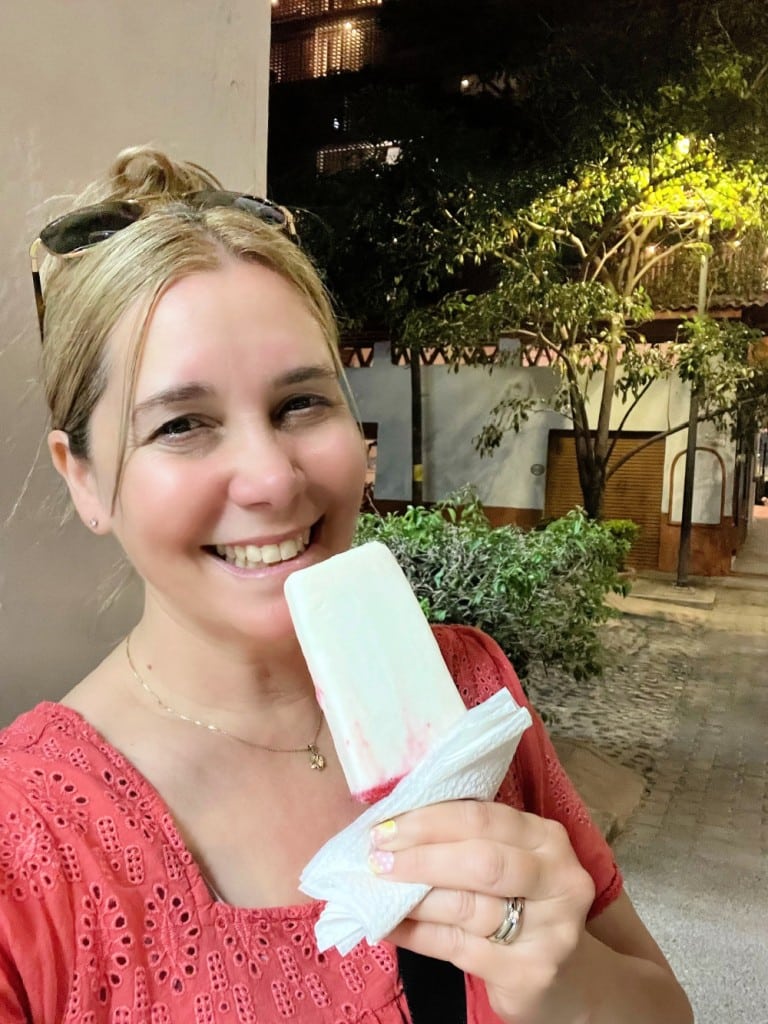
I spent the next few days of my vacation feeling miserable – and I learned that I was among the 98% of travellers who make a food or water mistake within the first three days of their trip.
At the time, I didn’t even think about how that happens – I was focused on enjoying a sunny tropical holiday on the Mexican Riviera. But I understand now that such a mistake happens all too easily.
Common risky behaviours when travelling can include drinking beverages with ice cubes or crushed ice, brushing your teeth with tap water, eating salads and raw vegetables, eating fruits that cannot be peeled, and eating food (even the frozen kind) from street vendors.
When travelling to destinations like Mexico and the Caribbean, where food and water borne illness are more common, I remember to take a few simple precautions:
• Wash my hands regularly with soap and water.
• Use bottled or filtered water to brush my teeth.
• Avoid drinking tap water or drinks with ice.
• Choose cooked foods over raw salads or unpeeled fruits.
• Eat at reputable restaurants.
Adding prevention to my packing list
Since my fateful food faux pas, illness prevention became a standard part of my trip preparations. I visit a travel clinic 4-6 weeks before departure to ensure all my vaccines are up-to-date. I also ask for the DUKORAL® vaccine when travelling to destinations where food and water borne illnesses are more common. This step helps me travel with more confidence.
Why DUKORAL® should be part of your pre-trip checklist
Here’s a not-so-fun fact: Travellers who experience diarrhea can lose an average of 3.5 days of their vacation. That’s nearly half a week of missed tours, beach days, or dinners out.
It’s why protecting yourself before you go is a smart and essential part of any travel plan.
After all, it’s no fun being stuck inside feeling sick instead of enjoying a planned holiday by the beach or poolside.
In addition to good hand hygiene and food and water safety, taking the DUKORAL® vaccine can play an important part in reducing the risk of diarrhea caused by LT-producing ETEC – the most common cause of diarrhea for travellers in many parts of the world.
What’s LT-producing ETEC?
Enterotoxigenic E. Coli (ETEC) is a type of E. coli bacteria that is one of the most common causes of diarrhea for travellers to many parts of the world. It spreads through contaminated food and water in regions and popular vacation destinations like the Caribbean and Mexico where food hygiene and water standards differ from home.
The good news? DUKORAL® is the only drinkable vaccine that’s been trusted by Canadian travellers for over 20 years to help protect against diarrhea caused by LT-producing ETEC. No needles required makes it especially convenient – especially for kids.
In Canada, you can get DUKORAL® at most pharmacies and Travel Clinics without a prescription (except in Saskatchewan and Quebec), for adults and children aged two and older. For the best protection, DUKORAL® should be taken at least two weeks before travelling to high-risk areas. Visit your pharmacist or local travel clinic to ask if Dukoral® is right for you.
Stay out of the bathroom and keep healthy on holiday
Don’t let diarrhea ruin your vacation like it did mine. Stay confident throughout your holiday by taking steps to protect yourself from travel-related illnesses.
Since adding Dukoral® to my pre-travel routine, I’ve felt more confident heading into trips where food and water safety can be a concern.
If you’re planning a getaway, I recommend visiting a healthcare provider or local travel clinic. They can help you make informed decisions about any vaccines or medications you might need. So you can focus on what matters most: making meaningful memories, not sickness souvenirs.
Disclaimer: This article is only intended for Canadian residents and is sponsored by Valneva Canada.

- 21 delightful ways to enjoy BC Family Day with kids - February 1, 2026
- Helpful Tips for BC Camping Reservations - January 30, 2026
- Camping in BC: 21 best campgrounds in British Columbia - December 22, 2025