
Spring in Paris may be for lovers, but Lyon is for everyone who loves food, wine and the good, good life. France’s third largest city (Marseille takes silver) stands proudly on its own merits as the country’s culinary capital. Its cup runneth over with Roman history, beautiful green spaces and impressive cultural institutions. From food halls to hilltop cathedrals, public markets and cobblestone streets, Lyon will charm you, impress you and feed you to the gills, if you can handle it. Enjoy my best tips on what to see, where to stay, where to eat and things to do in Lyon, France.
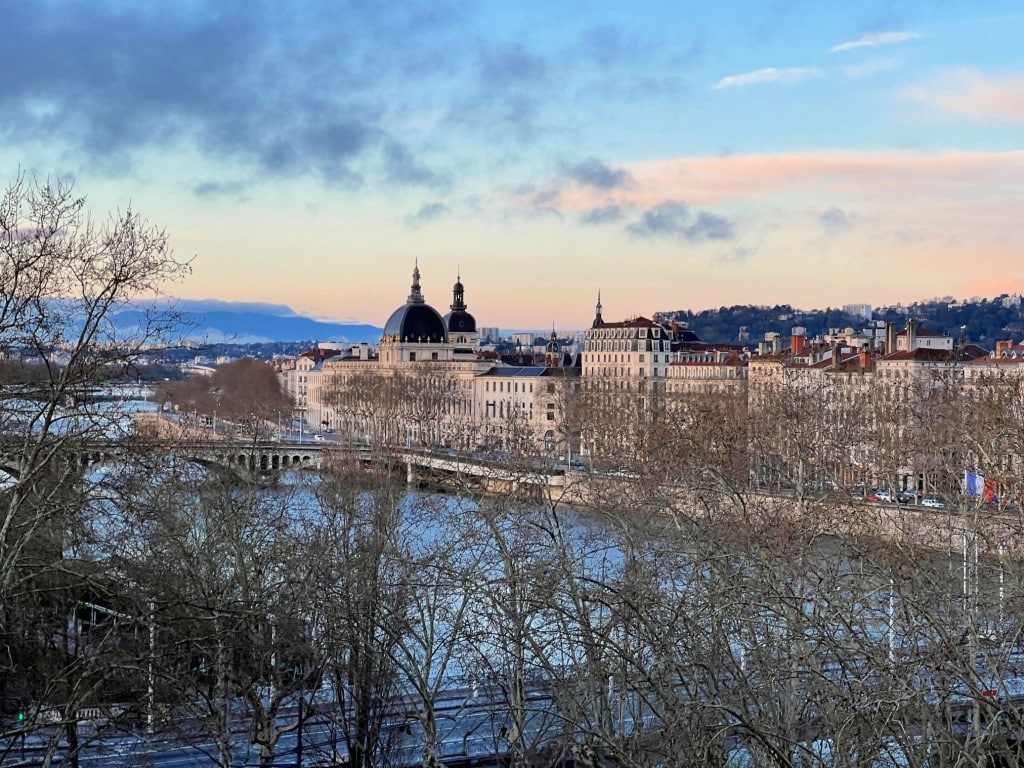
How to explore Lyon, France, in culinary style
My time in Lyon coincided with the start of spring after a hard, long winter. The Lyonnais were more than ready for the good weather to return in time to emerge for strolls in parks like Parc de la Tête d’Or and through the Roman amphitheatres on Fourvière Hill. I was looking forward to exploring those outdoor spaces too, but I was also very excited to eat.
Lyon’s reputation as a gastronomic powerhouse is due in part to its location. Founded by the Romans in 43 BCE on Fourvière Hill, the city expanded from west to east, building on the advantages offered by its two hills and two rivers, the Saône and the Rhône. For most of the city’s history, its rivers ferried goods and people from north to south, connecting the foods of southern France and the Mediterranean to the north and into the alpine regions.
The great bounty of trade and influx of all kinds of foods mixed with the creativity (and appetites) of the Lyonnais fostered unique local dishes and an appreciation of cuisine that laid a foundation for culinary greatness in the late 19th century until today.
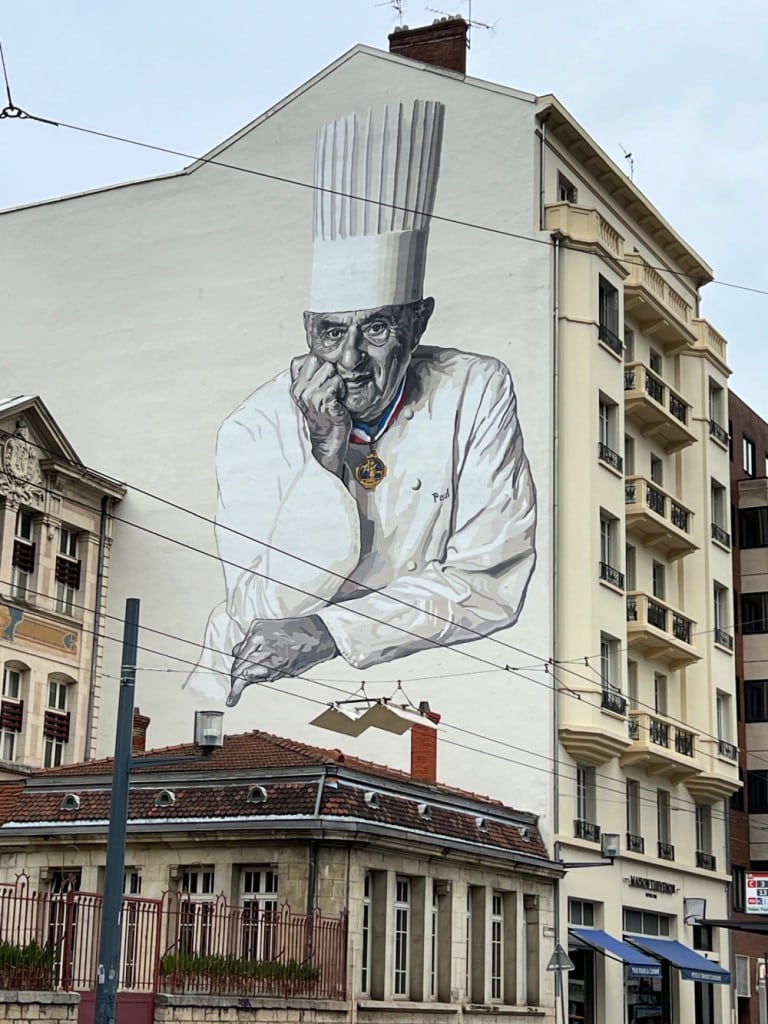
Les Halles de Paul Bocuse
The first and best place to get acquainted with Lyon’s culinary heritage is at Les Halles de Paul Bocuse. The original glass and iron market was torn down last century, but it’s what’s inside the 1970s-era modern building that counts. This is the city’s famous covered food market – a paradise for cheese, charcuterie, praline tarts, and everything in between.
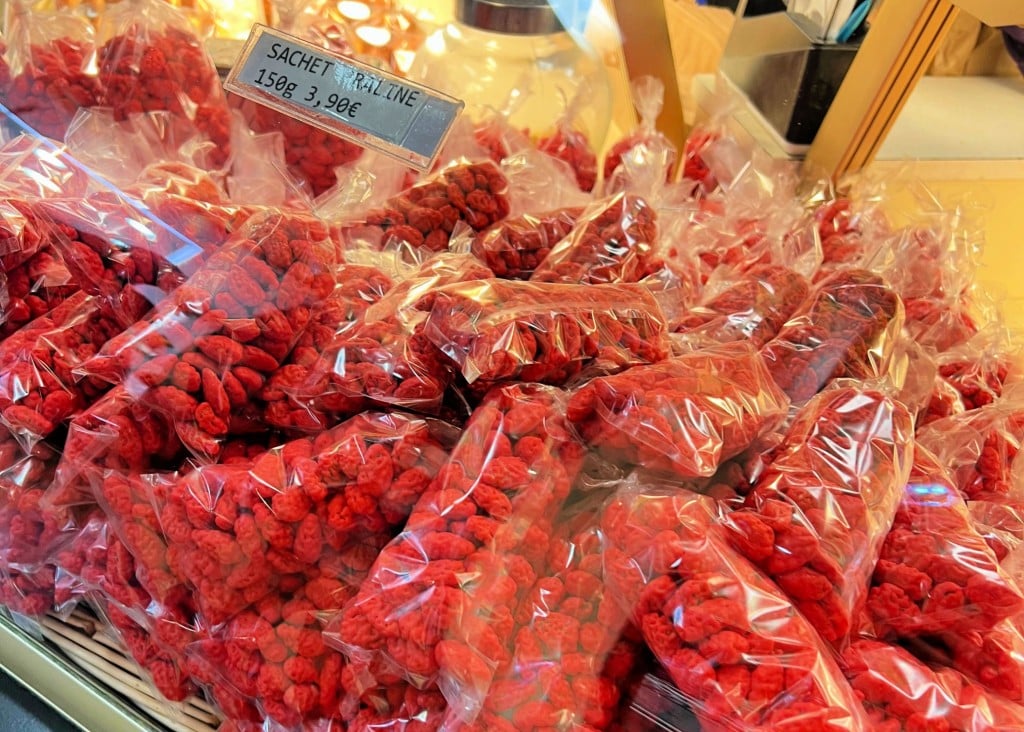
Named after the legendary local chef and “pope of gastronomy,” the bright hall is filled with all kinds of food vendors, selling every manner of Lyons specialties. A wine shop stocked with bottles of local Beaujolais, a charcuterie store with vats of canut (a creamy, herby cheese spread), pate croute and lots and lots of cheeses; fresh seafood and oysters set on piles of crushed ice; and special treats and candies, including rose pink pralines and blue cushions of marzipan.
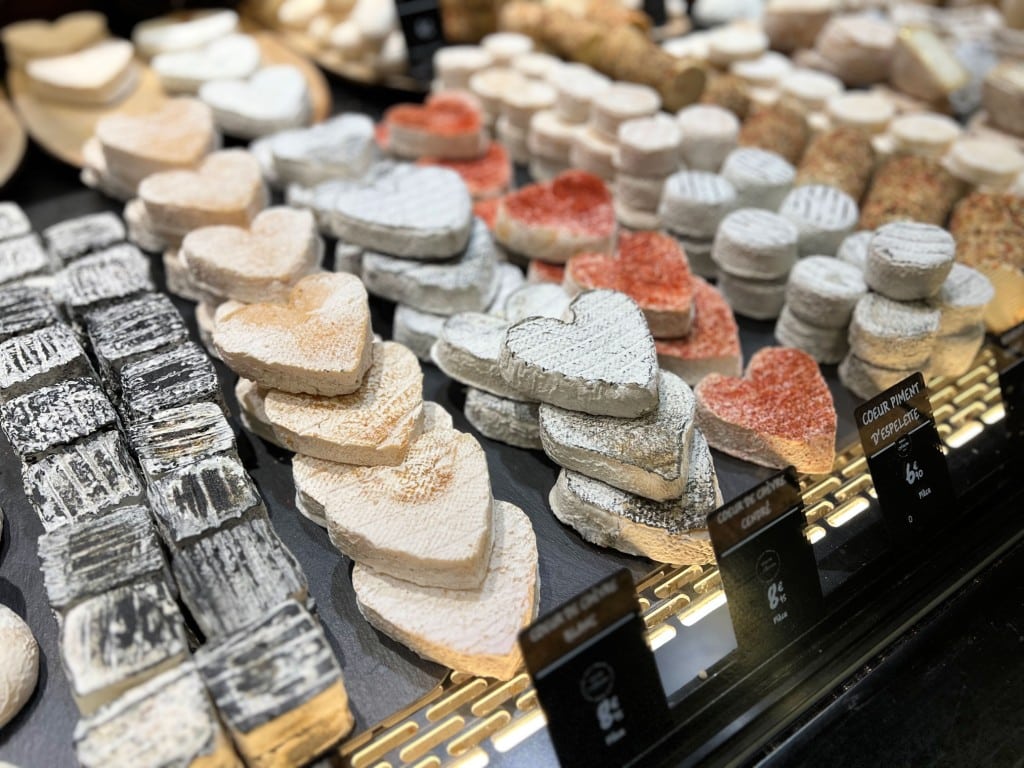
The market is a feast for anybody interested in learning about Lyons’s culinary history and in food in general. Photos and information panels inside the market chronicle some of that history, including of the influential Mères Lyonnaises. Originally cooks for influential bourgeois families, the Mères set up their own business in the early 20th century, providing an opportunity for everyone to discover simple, subtle cooking. The most famous, and toughest, of the women was Mère Brazier, who helped teach many young chefs in the early 1900s, including Bocuse, who began his career in her kitchen.
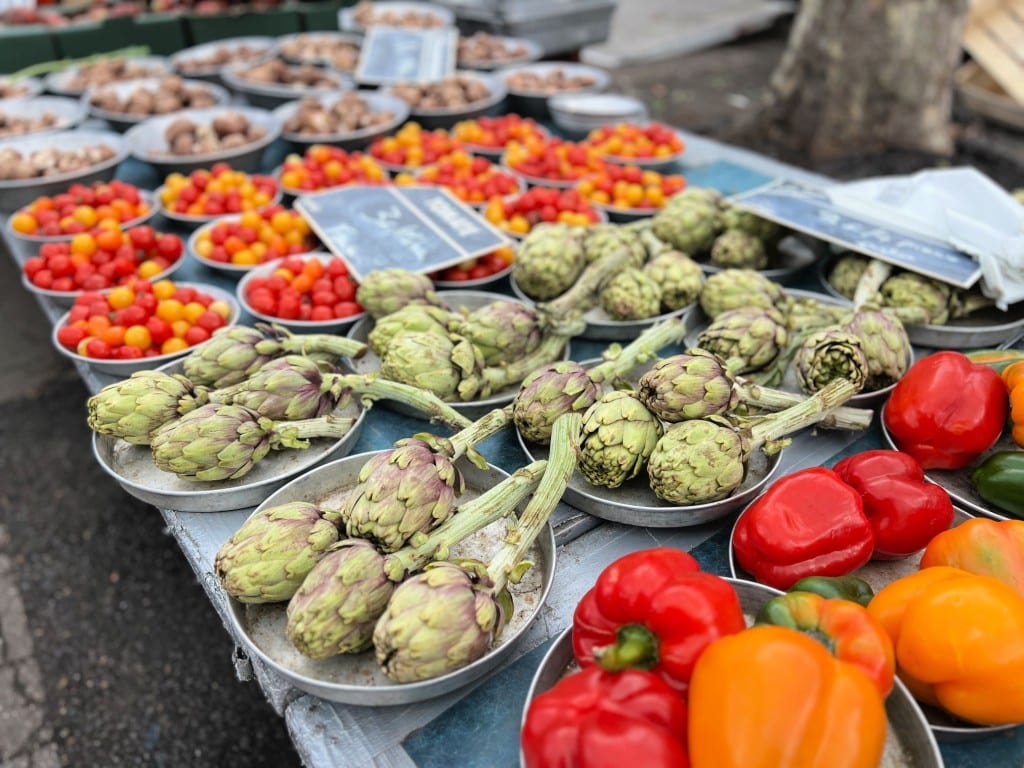
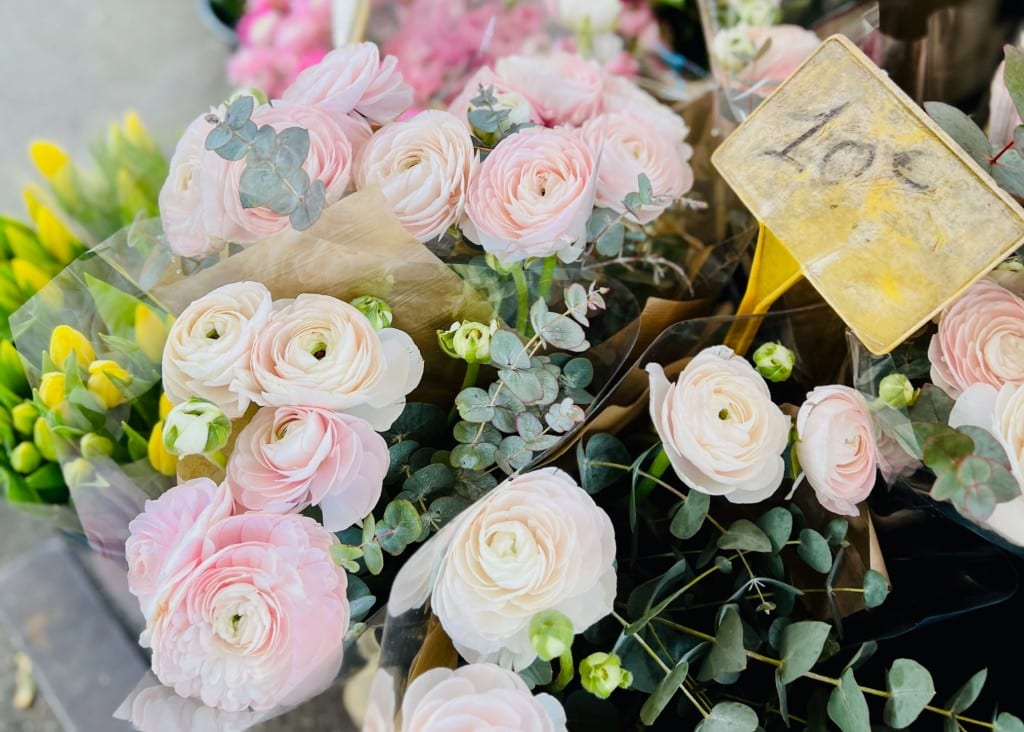
The best outdoor market in Lyon is Saint Antoine Célestins, a long stretch of colourful canopies along the Saône River facing the Old Town. Each of the 100+ stalls is a new discovery of farm-fresh fruits, vegetables, meats, cheeses, flowers and artisanal goods. Open every day except Mondays.
Vieux-Lyon | Old Town
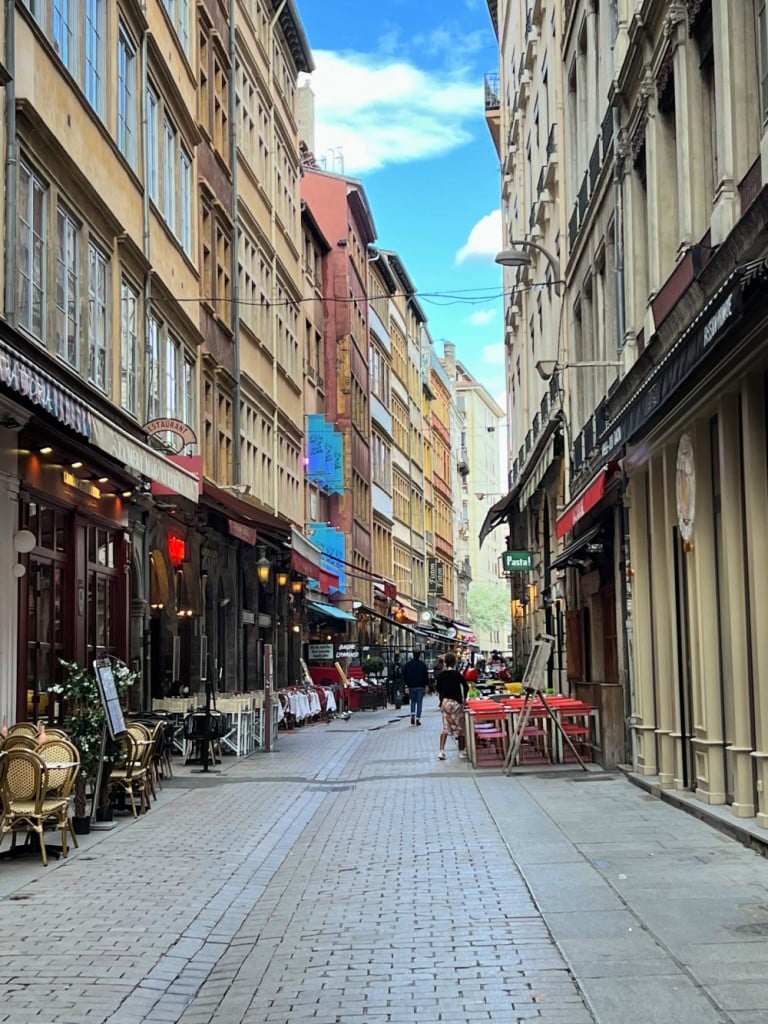
The Vieux-Lyon (Old Town) is one of the largest Renaissance districts in Europe and a UNESCO World Heritage site. Stroll its charming cobblestoned streets and enjoy the simple but colourful pastel pink and orange facades of 15th and 16th century buildings that were once home to rich families of Italian, German and Flemish merchants and bankers. Lyon hosted fairs and was an international commerce centre which also influenced its culinary history.
Vieux Lyon is best explored on foot. It’s the best way to visit the historic Saint Jean Cathedral and its astronomical clock, as well as the Gadagne Museums: Musée d’Histoire de Lyon (historical museum of Lyon) and Musée des Arts de la Marionnette (puppet museum), in Lyon’s largest Renaissance building. Looking for off the beaten path? Rue Saint-Georges and Rue du Boeuf in Vieux-Lyon are quieter than the main drag of Rue Saint-Jean and have some beautiful Renaissance courtyards.
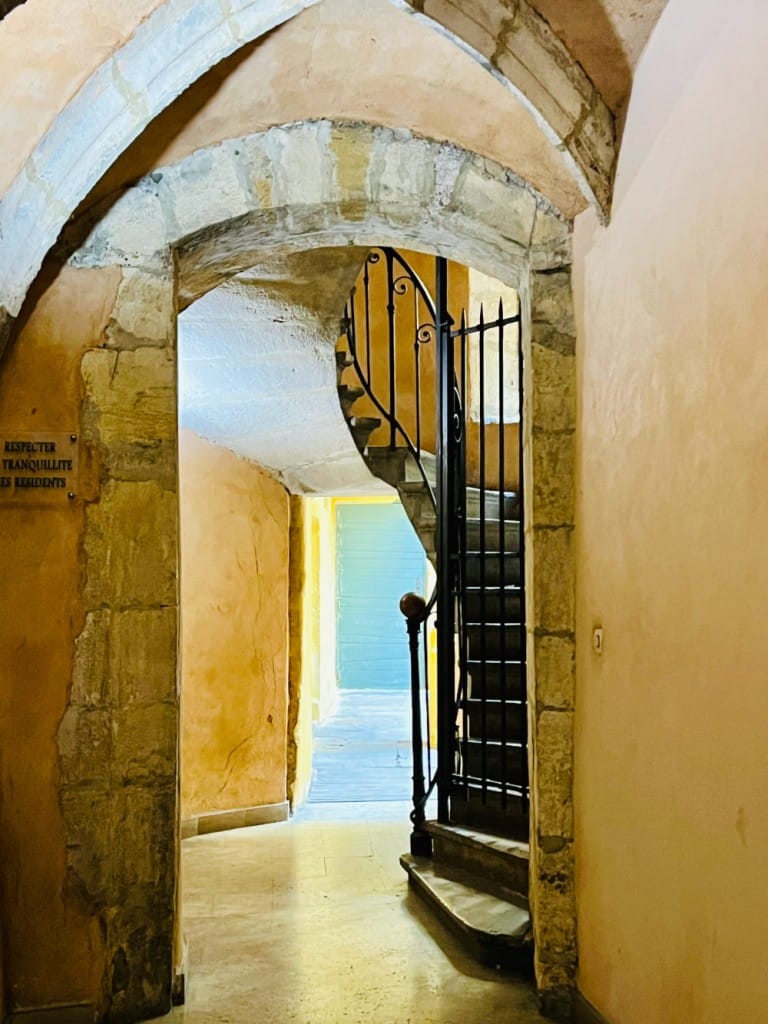
A very unique feature of the Old Town is its mysterious traboules. These hidden passageways through buildings connected streets for easier city navigation, and were also critically important escape routes for the Resistance during World War II. Today, the traboules are popular sites for travellers to find and explore in the Lyon.
There are many traboules and hidden courtyards between Saint-Georges and Saint-Paul neighbourhoods of Vieux-Lyon, as well as in the Croix-Rousse (silk workers’ district) and Presqu’ile districts. Tips: Take your time walking through the passageways (they can be crowded) and speak softly while doing so – you’re walking between occupied residential houses.
Fourvière Hill
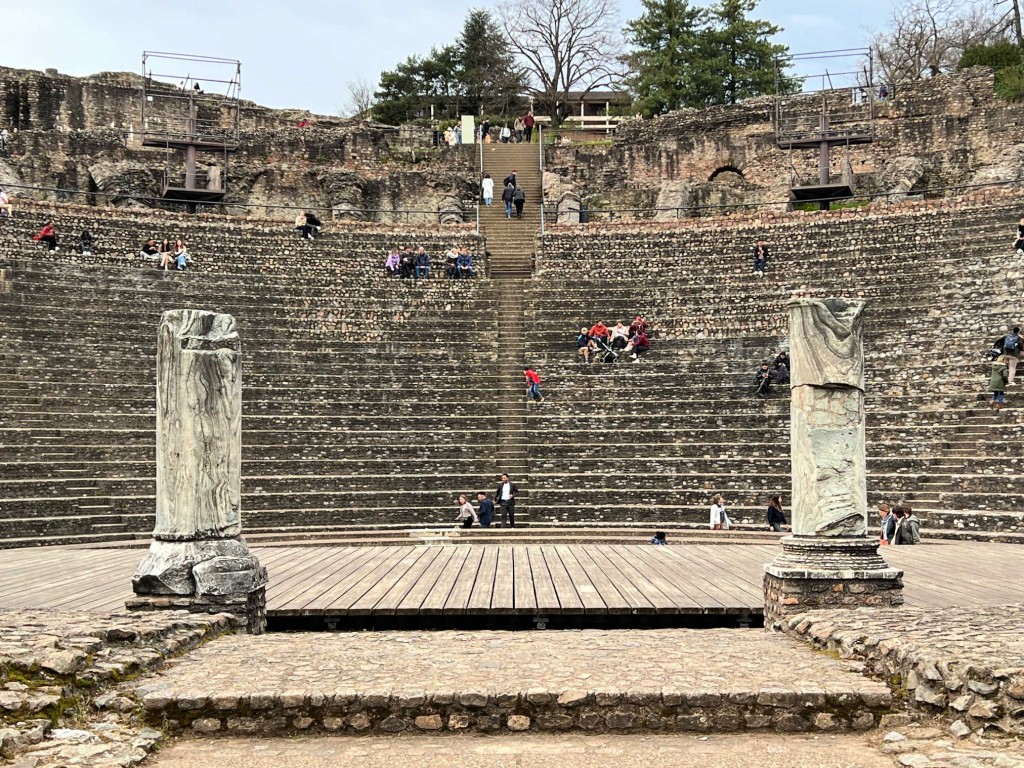
Fourvière Hill towers above the city and is crowned by the stunning Basilica of Notre-Dame de Fourvière and sweeping panoramic views. Lyon’s oldest hill is home to the remains of Lugdunum, capital of the Gauls during the Roman Empire. Two ancient theatres highlight Lyon’s early history as a Roman settlement. The grand theatre, built in 1 BCE, and extended in 1 CE, was dedicated to drama and could hold up to 10,000 spectators. The small theatre, known as the Odeon, built in 1 CE, was a venue for public readings and recitals.
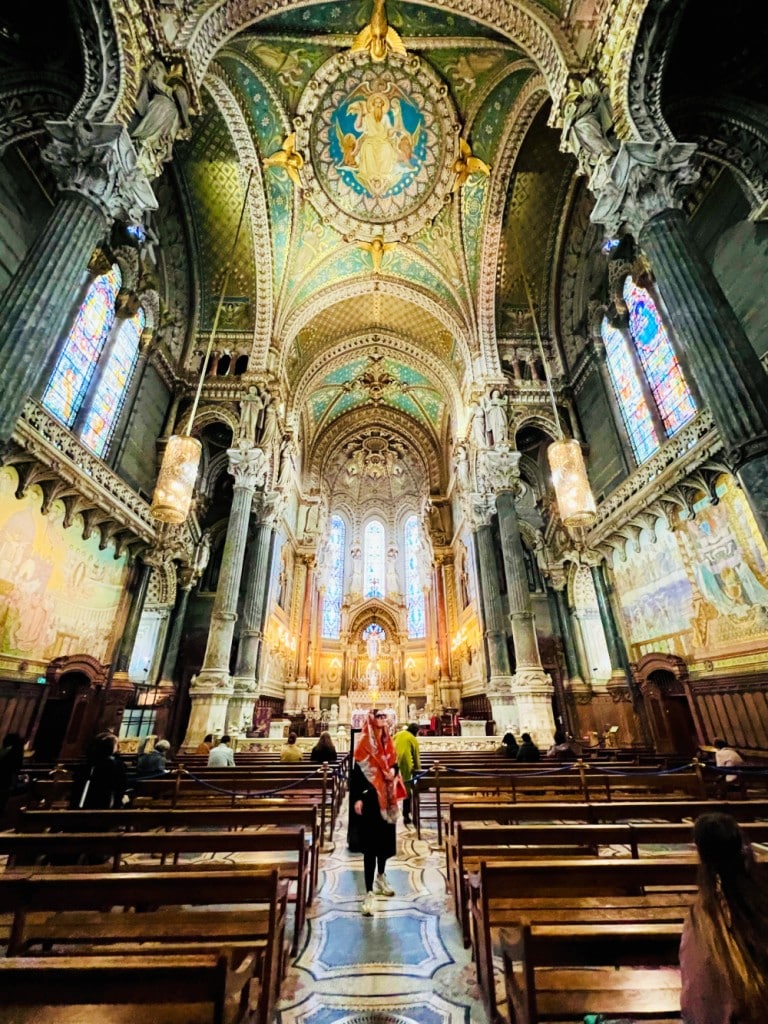
Next to the theatres, the Lugdunum Museum displays archaeological discoveries made in Lyon. You don’t need to dig for long before you find remains of the past in Lyon. To access the Basilica and the Roman theatres, take the funicular up the hill and walk back down.
La Croix-Rousse district
The second of Lyon’s hills, Croix-Rousse, is known as ‘la colline qui travaille’ (the working hill), in contrast to Fourvière, ‘la colline qui prie’ (the praying hill). This district is the historic home of the silk-workers of Lyon in the nineteenth century, when the sounds of the ‘Bistanclaques’, (local nickname of weaving looms), filled the air. Thirty thousand ‘canuts’ (as Lyon’s silk-workers were known) made this an industrious district and helped Lyon become a major centre for textiles in Europe.
Take a tour of traditional silk-weaving workshops like La Maison des Canuts, enjoy lively street art and cafes, and visit shops of young creative designers who are keeping the canut spirit alive. A silk scarf purchased from a local artisan makes for an ideal local souvenir. Fun fact: Hermès still produces its famous silk scarves in the area surrounding Lyon.
La Presqu’île district
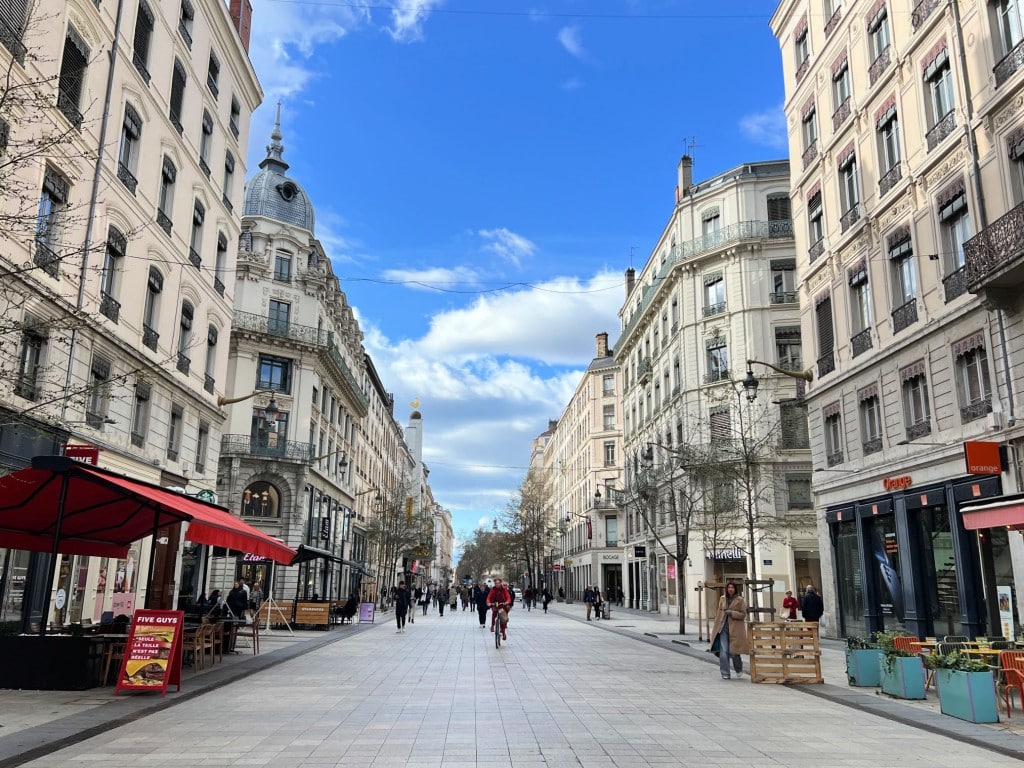
We can’t miss the beating heart of Lyon. La Presqu’île sits between the Rhône and Saône, where the city’s main shopping streets and luxury brand outlets are found. A vibrant urban space since the Renaissance, the Presqu’île district runs from Place Bellecour, Europe’s largest pedestrian square with statues of Louis 14th and Saint Exupery, to Place des Terreaux where the Hôtel de Ville (City Hall) and Musée des Beaux-arts (Museum of Fine Arts) are located.
The richly detailed 19th-century buildings showcase the affluence of Lyon’s bourgeoisie, and when night falls, the district’s iconic fountains and monuments are beautifully illuminated. This district is home to the city’s tTheatres, cultural venues and many restaurants, making the Presqu’île a lively place to come in the evening. In the southern part of this district, check out the Musée des Confluences, an architecturally striking science and anthropology museum at the tip where the Rhône and Saône rivers meet.
Lyon’s quirky side
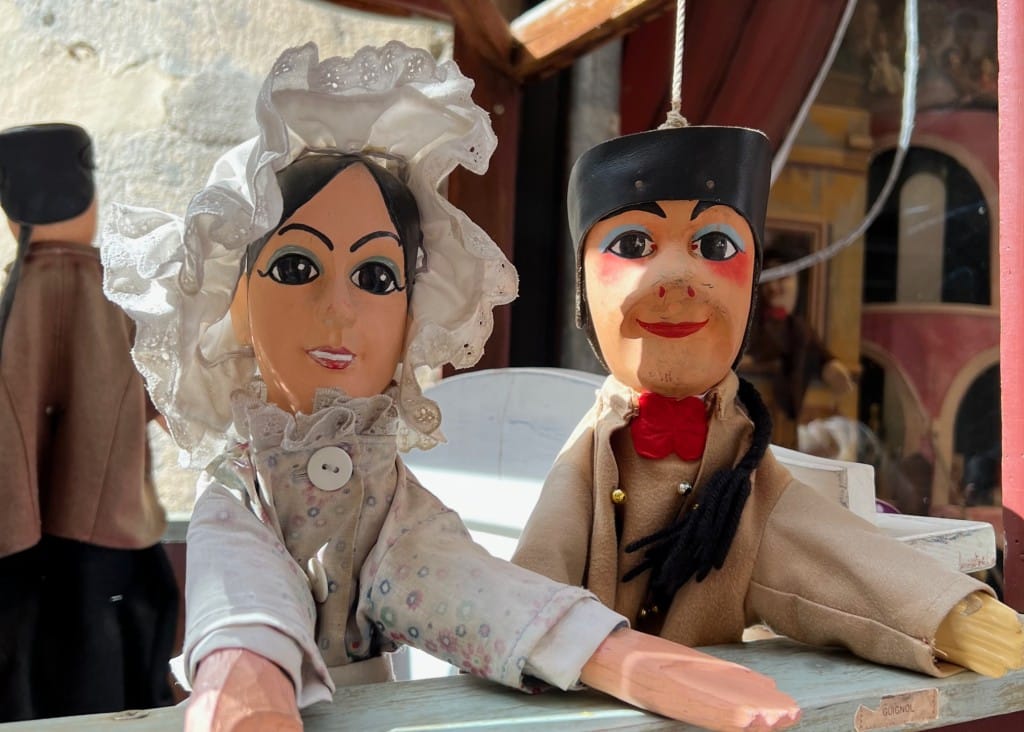
Lyon is the birthplace of the Guignol puppet, a sharp-tongued character born in the early 1800s. Catching a Guignol puppet show (performances are in French but are still entertaining) is a very local experience.
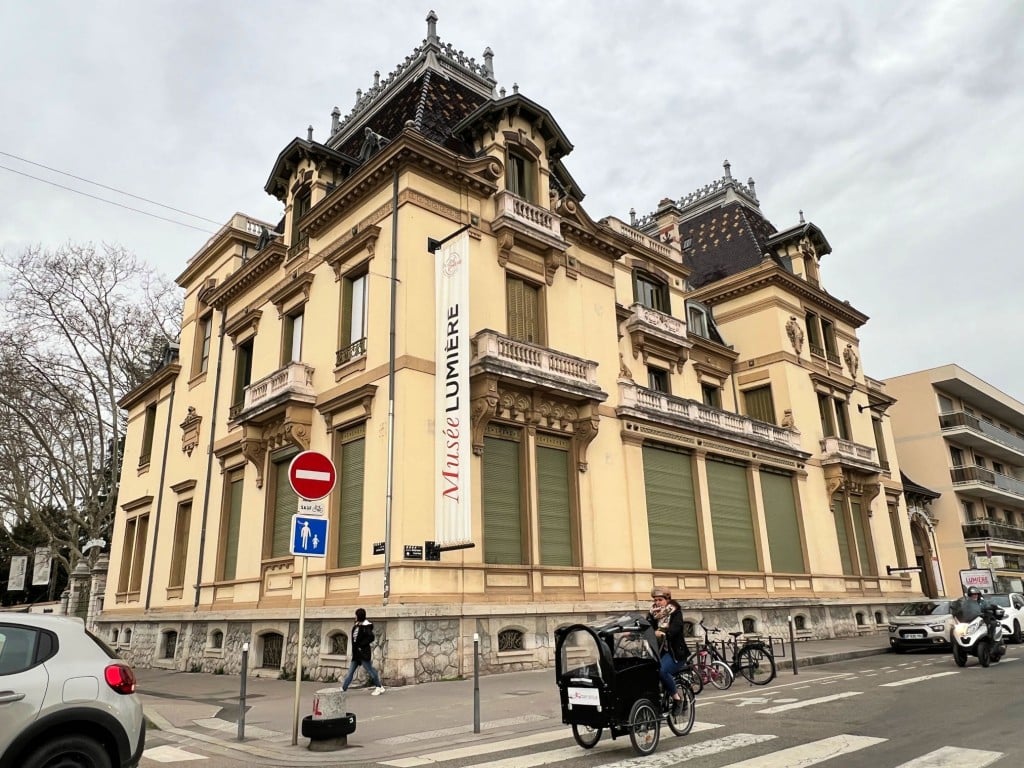
The Lumière brothers invented cinema in Lyon. Their family home is now the wonderful L’Institut Lumière museum dedicated to the birth of film, and includes a theatre where classic movies are regularly featured. A visit here is a must for any cinephile.
Lyon Parks and Green Spaces
Lyon is blessed with an abundance of fantastic parks and urban green spaces that are free and open to the public. Here are some of our favourite parks in Lyon.
Tête d’Or Park – Located in the heart of the city, in the 6th district, Tête d’Or Park has something for everyone. The rose garden, with its 16,000 rosebushes, will delight flower enthusiasts, as will the botanical garden’s magnificent glasshouses. Dog walkers can let their dogs romp next to the Velodrome. Children can have fun watching the ducks waddling around or see the giraffes at the zoological park.
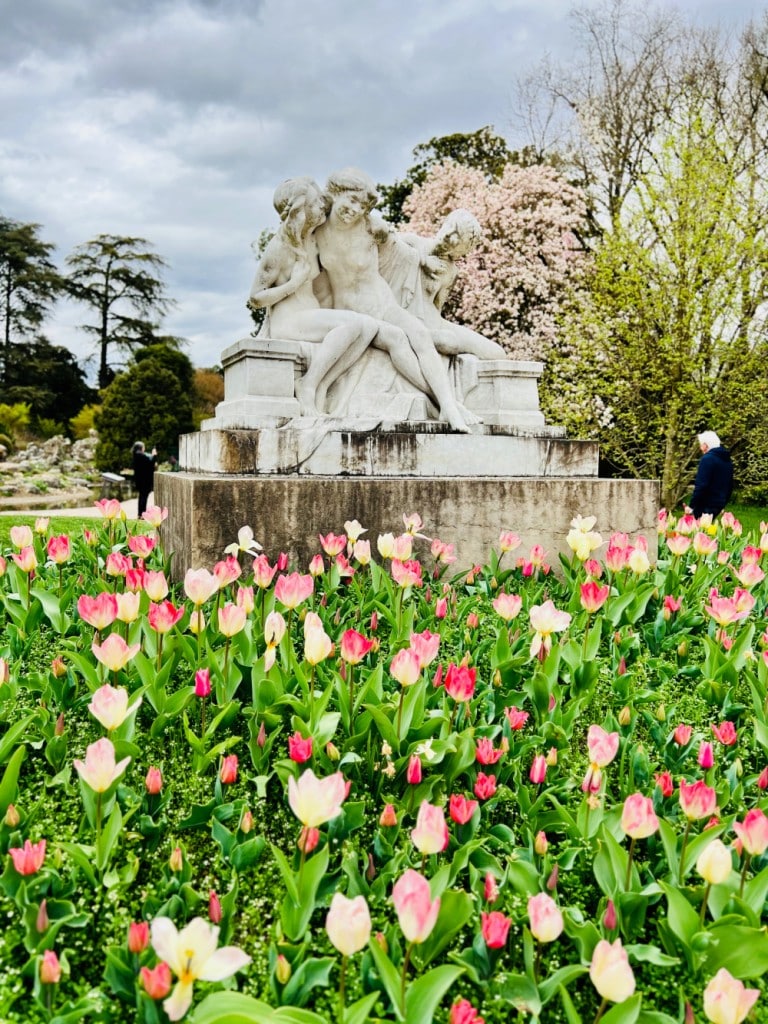
Parc des Hauteurs – Begin your journey at the bottom of Fourvière Hill, on Place Saint-Jean, or board the funicular for an easier way to reach the top. The park includes the ‘Quatre Vents’ footbridge, with its breathtaking panoramic view of the River Saône and Croix-Rousse Hill, the ‘Jardin du Rosaire’, with its botanical collections of heritage roses and hydrangeas, and the ‘Chemin du Viaduc’, a former railway that was used to transport hearses from Saint-Paul funicular to the cemetery.
Parc de la Feyssine – Offering a slice of nature in the city, Parc de la Feyssine is located between La Doua campus and the banks of the Rhône. This former water catchment area, which was left abandoned for several decades, was transformed into a natural urban park at the end of the 1990s, encouraging excellent animal and plant biodiversity.
Le Parc du Vallon – Located in Lyon’s 9th district, this lesser-known child-friendly park offers 11 hectares of meadows and undergrowth, crossed by a small stream known as the ‘Ruisseau des Gorges’. Make your way along the many paths by walking or bike to one of the two play areas located at each end of the park, including an 850 m² adventure space where children can explore to their heart’s content.
Jardin des curiosités – Located in the Saint-Just district on Fourvière hill, at the end of Place Abbé Larue, the Jardin des Curiosités is one of the few gardens that remain somewhat hidden in the heart of the city. Six chair-sculptures with poetic engravings (the work of artist Michel Goulet of Quebec) are dotted around this timeless space. What’s more, you can take in the stunning view over Lyon (and beyond) to rest your eyes for a few moments between chapters.
Garden of Musée des Beaux-Arts – Hidden behind the doors of the Musée des Beaux-Arts (Museum of Fine Arts), on one of Lyon’s busiest squares, Place des Terreaux, you’ll find a calm and peaceful garden. Located in the cloister of a former seventeenth-century abbey, this jardin is the perfect spot to read a book or relax with friends beneath the lime trees and majestic sculptures.
Where to eat in Lyon
Eating in Lyon is a top attraction in itself, and there’s no shortage of outstanding places to enjoy a meal.
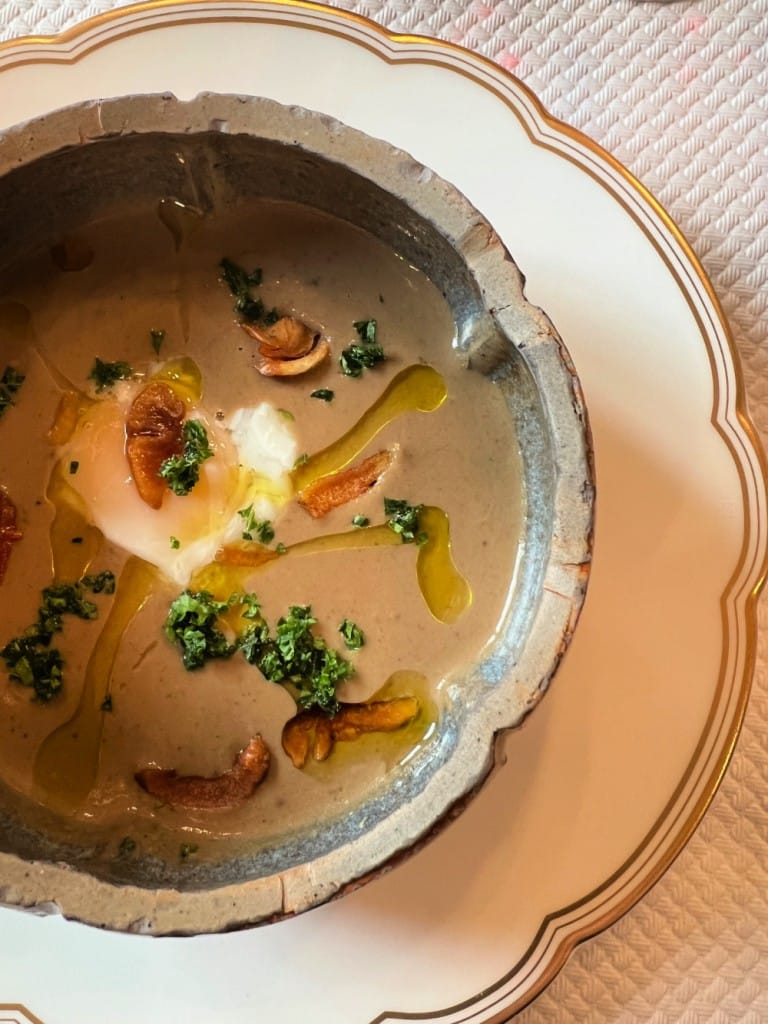
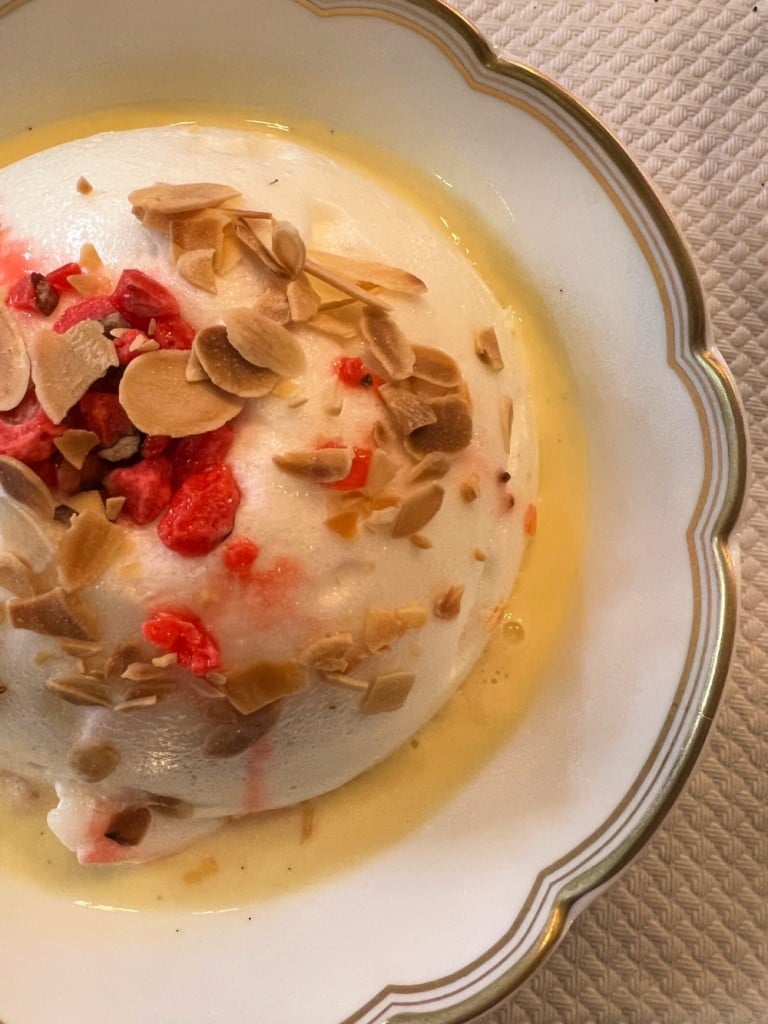
Top tip! Eat at a bouchon – these are Lyon’s iconic traditional bistros, and eating at one is a must. Daniel & Denise is a long-standing buchon serving and celebrating classic Lyon specialaties like pate croute, quenelles (fish dumplings), silky mushroom velouté, canut, andouillette and tête de veau, followed up with airy iles flotantes for dessert. The jovial Chef Joseph Viola took over in 2004 and operates three locations in the city.
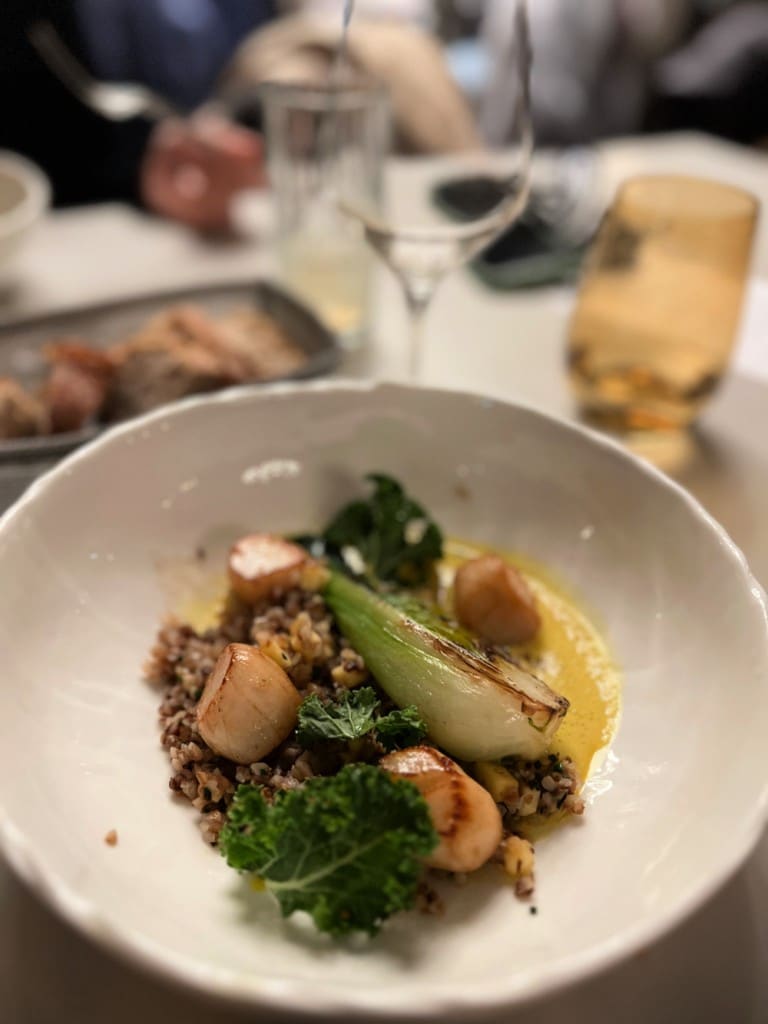
Le Dome Bar at the Intercontinental Hotel at the former Hotel Dieu – Winner of the Best Hotel Bar in the World in 2021, Le Dome Bar in the Intercontinental Hotel is a magnificent, towering space within the arched dome of the former chapel of Lyon’s hospital. The Bar is renowned for its cocktails, particularly the Panthéon cocktail (St, Germain and a homemade champagne syrup), and serves light dinner bites, salads and desserts.
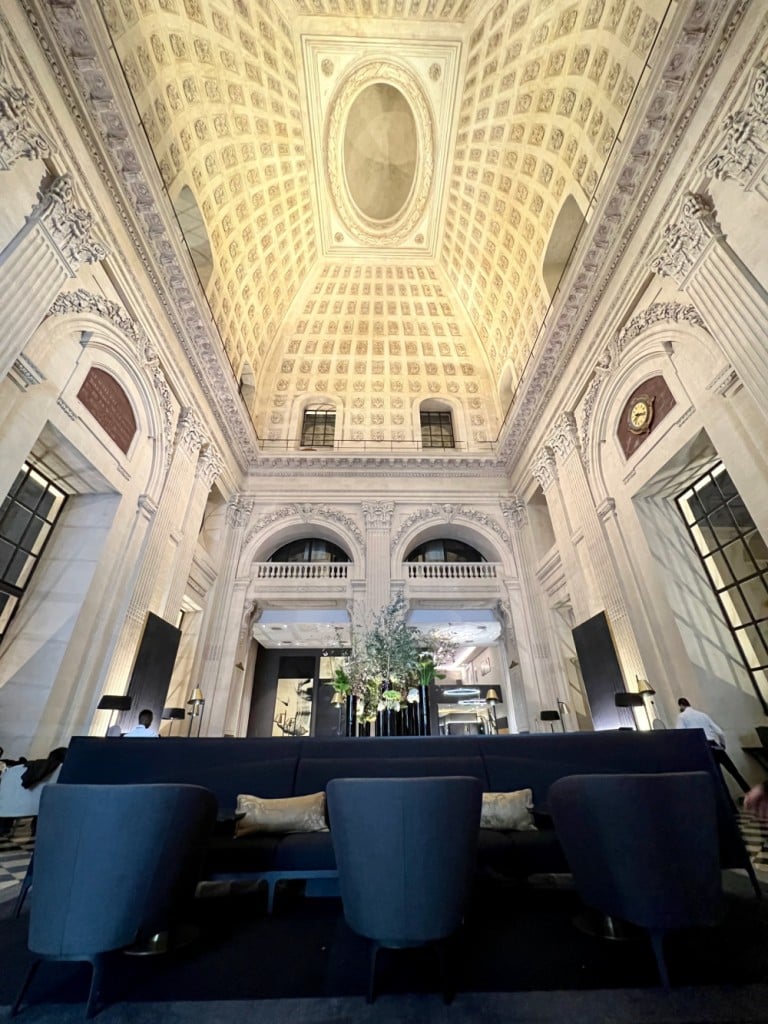
Le Grand Réfectoire – Located in the Grand Hôtel Dieu’s former hospital dining hall, this beautifully designed restaurant has a menu to match. Daily specials complement strong bistro-focused dishes like steak frites, risottos, lentil salads and fish dishes. The kitchen is led by Michelin-starred Chef Marcel Ravin, who was born in Martinique and brings worldly culinary experience to the room.
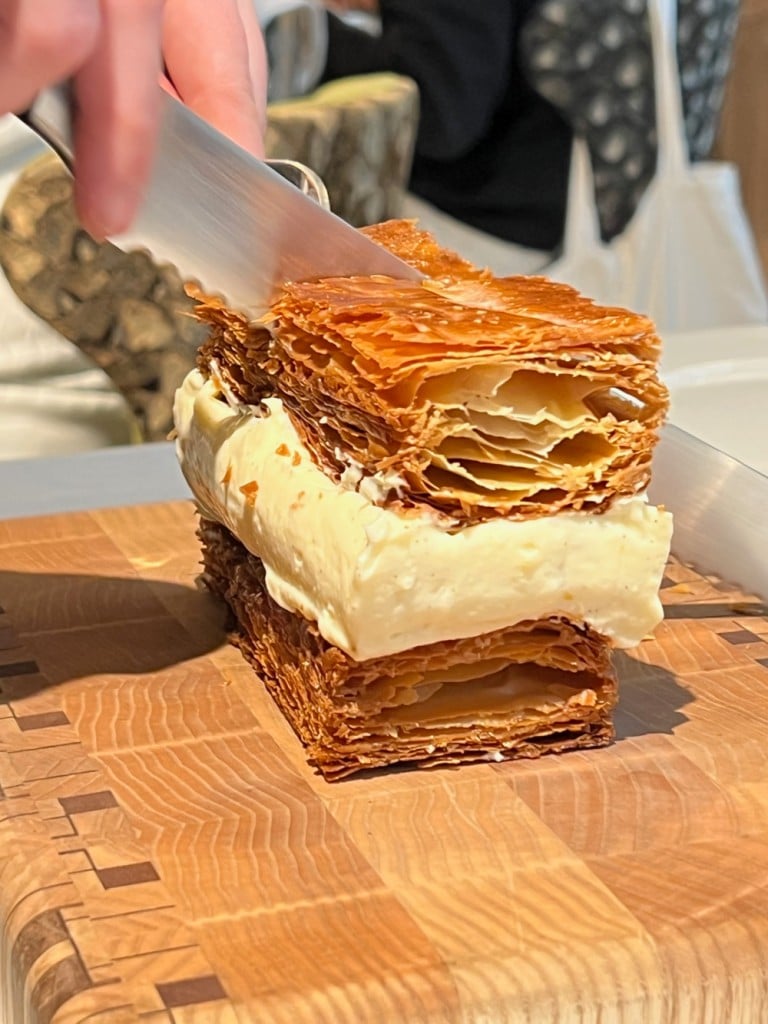
La nouvelle Brasserie des Roseaux – This classic Lyon bistro restaurant is frequented by locals far more than tourists, which is a great sign that you’ll enjoy fantastic food and ambiance. Chef couple Tabata and Ludovic Mey create and perfect Lyonnais and French classics in incredible gourmet style and with exceptional service, with dishes carved and served table side. Think chicken vol au vent, whole grilled fish, steak frites, escargots, Viennese leeks gratinées, and a signature giant mille feuille pastry for dessert. Go for lunch so you can walk off the sumptuous meal in the city’s parks in the afternoon.
Where to stay in Lyon
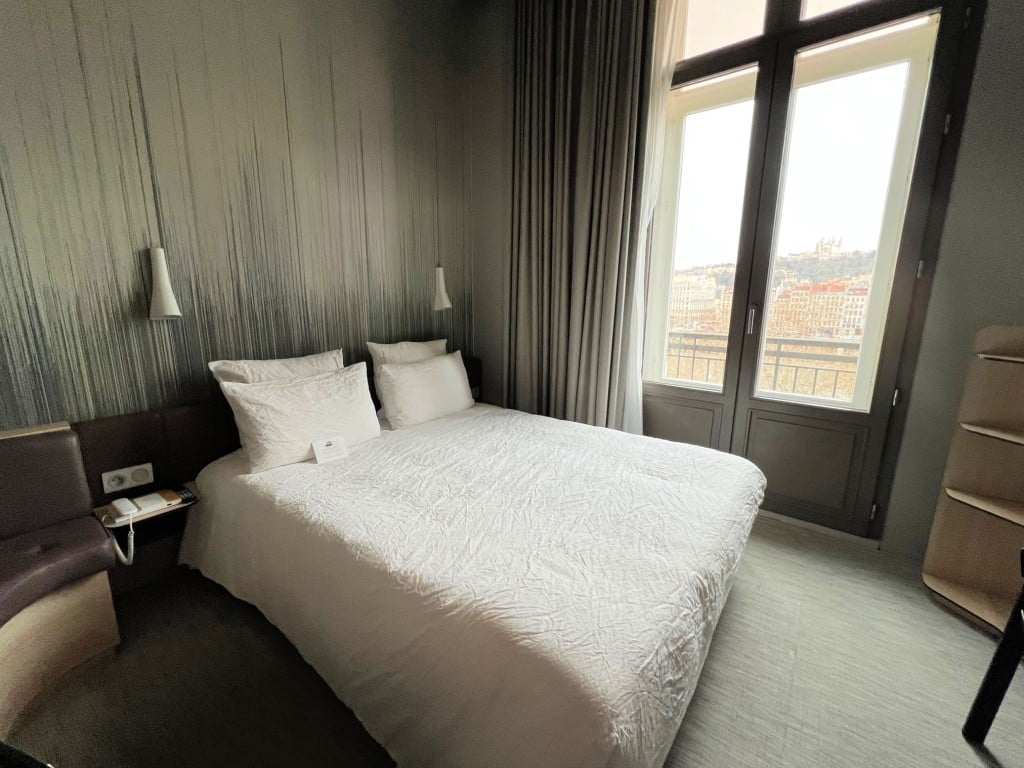
I enjoyed a hosted stay at Hotel OKKO Lyon Center is, as the name suggests, in Lyon’s city centre. The hotel overlooks the Rhône river, and is in ideal walking distance to Les Halles de Paul Bocuse, city parks, the Presqu’île, Old Town and the funicular up to the Basilica and Roman theatres.
The hotel’s rooms are tastefully designed and decorated. They feature air-conditioning, free WiFi, Nespresso coffee machine and a flat-screen TV. The bathrooms are equipped with a shower and hairdryer. I loved opening up my French doors to the river view and enjoy morning sunrises over the city.
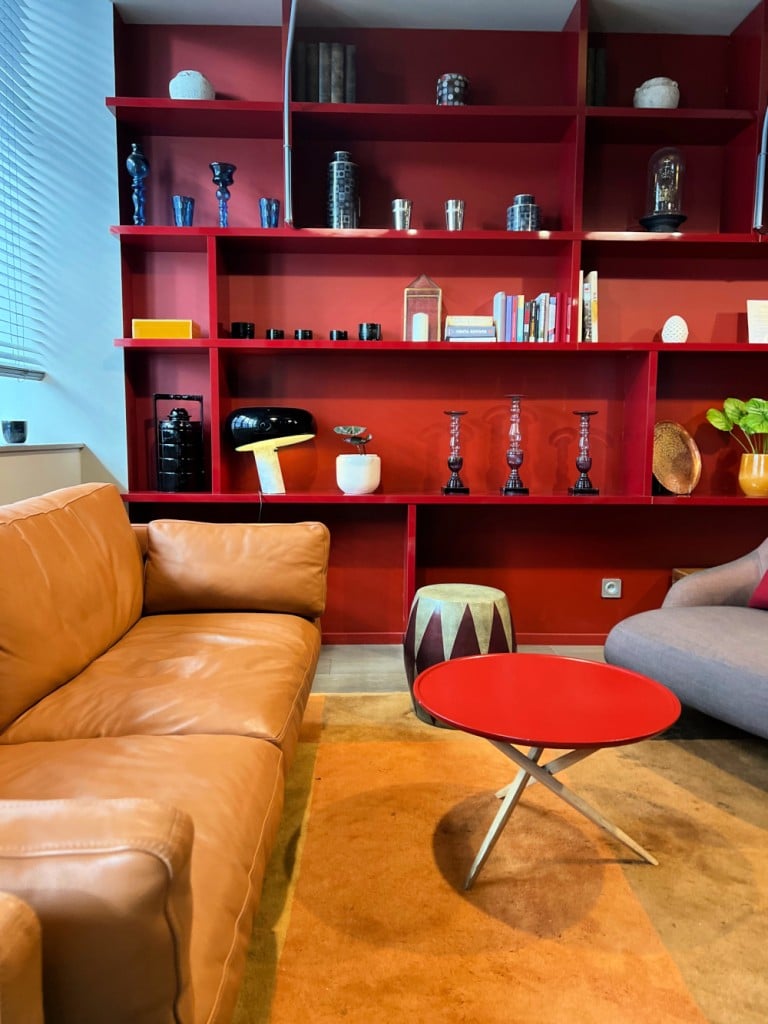
A buffet breakfast is served every morning. Fresh juices, barista-style coffees, Palais des thés teas, coffee and snacks are also included throughout the day free of charge in the lounge. In the evening, guests are offered a tasting plate of cheese or charcuterie (vegan option on request). A bar and a restaurant are also available on site, and there’s a shared club lounge with a library and a newspapers selection.
Disclosure: The writer thanks Visiter Lyon for hosting her stay in Lyon. As always, her opinions and love of French flair are honest and her own.
Photos: Claudia Laroye
Pin for Later

- How to enjoy two days in magnificent Montreal - April 8, 2026
- This summer, choose Canada with the Canada Strong Pass - March 31, 2026
- Decadent and delicious culinary dishes of Lyon - March 20, 2026